020 3744 3778
Bringing Joy to Kids with Thoughtful Garden Design
Posted on 02/07/2025
Bringing Joy to Kids with Thoughtful Garden Design
Designing a garden specifically for children is about more than just creating a beautiful space. It's about weaving joy, curiosity, and discovery into the very fabric of your outdoor oasis. Whether you have a sprawling backyard or a compact city garden, a well-thought-out kids' garden can spark wonder, foster learning, and bring the entire family closer to nature.

Why Thoughtful Garden Design Matters for Children
Children's gardens do much more than offer a place to play. Through well-planned kids' garden layouts and purposeful planting, you can:
- Encourage physical activity and exploration.
- Develop creativity and problem-solving skills.
- Stimulate curiosity about nature, wildlife, and ecosystems.
- Provide therapeutic and sensory experiences for all ages and abilities.
- Foster family bonding and learning together.
Garden spaces are, at their heart, living classrooms. Thoughtful garden design for kids can inspire a lifelong love of the outdoors, promote well-being, and even improve concentration and emotional resilience.
Key Principles for Joyful Kids' Garden Design
1. Safety First: A Careful Foundation
- Use non-toxic plants (avoid dangerous species like foxgloves or datura).
- Install safe, soft surfaces on pathways or near play equipment--think bark chips, grass, or rubber mulch.
- Ensure all water features are shallow, covered, or supervised.
- Choose child-friendly materials that reduce splinters, sharp edges, and falls.
2. Accessibility for All Ages and Abilities
Plan for accessible raised beds, wide even paths (for strollers or wheelchairs), and easy-reach containers. Inclusive design ensures every child feels welcome in the garden.
3. Stimulate the Senses
Thoughtful garden designs for children should be immersive, multisensory experiences. Consider adding:
- Fragrant flowers (like lavender, mint, or roses).
- Tactile plants (lamb's ear, silver sage, ornamental grasses).
- Bright and contrasting colors (sunflowers, nasturtiums, boldly painted garden objects).
- Sound elements: wind chimes, rustling grasses, bubbling water features.
- Edible delights: blueberries, strawberries, sugar snap peas, or tomatoes you can pick and taste.
Creating Magical Spaces: Essential Features in a Kid-Friendly Garden
1. Hidden Hideaways and Secret Corners
Nothing sparks wonder like a secret path or a cozy nook beneath trailing vines. Design garden spaces with a sense of adventure--think willow domes, teepees, or tunnels made of bean plants. Even a circle of sunflowers or a tented area with outdoor cushions can be a magical retreat.
2. Interactive Play Zones
- Sand and mud kitchens: Equip with bowls, spoons, and scoops for sensory play.
- Climbing structures: Natural climbing frames made of logs or stumps, or sturdy playground equipment.
- Water play: Add a safe water table, trickling rill, or splash area for tactile discovery.
- Open areas for running, dance, or imaginative games.
3. Wildlife-Friendly Features
Encourage children to become young nature stewards by making your garden a haven for birds, butterflies, and bees. How?
- Plant pollinator-friendly flowers (bee balm, salvia, zinnias).
- Add a butterfly puddling spot using shallow trays filled with sand and water.
- Install bird feeders, nesting boxes, or insect hotels to observe wildlife up close.
4. Grow-Your-Own Edible Gardens
Nurture a love for healthy eating and responsibility through hands-on vegetable and herb plots. Fast growers like radishes, lettuce, and snap peas keep the interest high, and children love harvesting what they plant.
- Choose raised beds or container gardening for smaller spaces or for easier maintenance.
- Use plant markers with colorful labels children can help decorate.
- Let kids pick fun varieties, like purple carrots, rainbow swiss chard, or dwarf sunflowers.
Design Ideas: Inspiration for Every Space
Miniature Gardens: For Patios, Balconies, or Small Yards
- Fairy gardens in pots with tiny houses, pathways, and figurines.
- Vertical wall planters with easy-care herbs or succulents for children to tend.
- Movable planters on wheels so kids can create ever-changing scenes.
Sensory Paths and Discovery Trails
- Alternate materials like pebbles, wood chips, and soft moss for tactile foot journeys.
- Paint stepping stones with numbers, letters, or animal shapes as a playful learning game.
- Intermittent "treasure stations" with objects to touch, smell, or listen to for a full sensory adventure.
Animal and Insect Exploration Zones
- Build a small pond (always supervised!) or a damp log pile for observing frogs and insects.
- Plant a wildflower strip to attract bees, butterflies, and lots of curious observation.
- Add a magnifying glass or small "explorer kit" station for hands-on study.
Tips for Involving Kids in the Garden Design Process
- Listen to their wishes: What colors, shapes, or activities do they enjoy?
- Encourage hands-on participation: Let kids help pick seeds, paint signs, or arrange garden art.
- Offer age-appropriate choices so children feel empowered and invested in "their" garden.
- Set simple goals, like observing five different birds or growing their own salad veggies.
Seasonal Garden Joy: Keeping Kids Engaged All Year
Spring
- Plant seeds indoors or outside--quick sprouters like peas or sunflowers are especially rewarding.
- Set up a bug hotel or compost bin for observing insects.
Summer
- Enjoy nature scavenger hunts or homemade garden art projects.
- Try stargazing at night or catching fireflies if local conditions permit.
Autumn
- Gather colorful leaves for pressing or crafts.
- Harvest late crops and prepare for winter, teaching kids about garden cycles.
Winter
- Feed birds with homemade feeders; observe animal tracks in snow or mud.
- Plan next year's garden with catalogs and drawings.
Incorporating Learning through Garden Design
Thoughtful garden layouts for children aren't just fun--they're also powerful classrooms. Use your garden to:
- Explore the life cycles of plants from seed to harvest (great for homeschoolers or curious minds).
- Teach responsibility through watering, weeding, and tidying tasks.
- Explain basic math, like measuring plant growth or spacing seeds.
- Introduce sustainability concepts: composting, pollinator importance, water conservation.
- Read outdoors, set up a "garden library" bench, or narrate garden-themed stories while you work together.
Children's gardens lay the groundwork for developing environmental awareness and a whole-systems understanding of the natural world.
Common Challenges (& Creative Solutions) in Kids' Garden Design
- Limited space: Try vertical planters, container gardening, or stacking beds to maximize growing room.
- Little time: Start with just one raised bed or a handful of pots. Even a windowsill garden can bring joy.
- Pest concerns: Plant natural repellents (marigolds, chives). Involve kids in natural pest control activities, like attracting ladybugs.
- Safety: Regularly check for hazards, avoid pesticides and sharp-edged tools, and provide constant supervision near water features.
Best Plant Choices for Kid-Friendly Gardens
- Sunflowers: Tall, dramatic, and fun to watch grow.
- Nasturtiums: Edible, colorful blooms that thrive with little care.
- Strawberries and blueberries: Delicious and easy for little hands to harvest.
- Mint and lemon balm: Fragrant, hardy, and perfect for sensory play.
- Snapdragons and pansies: Cheerful blooms that children love to touch.
Always check plant toxicity for your region, especially if toddlers will be exploring.
Bringing Joy Beyond the Backyard: School and Community Gardens
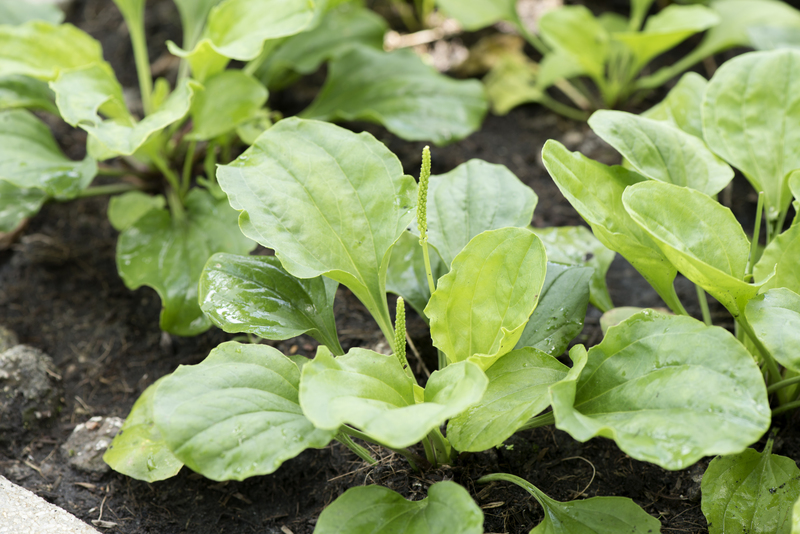
Children's garden joy multiplies when shared. Many schools, preschools, and community groups are creating thoughtfully designed children's gardens to support education and community well-being.
- Organize family gardening days at local parks or schoolyards.
- Donate seeds, time, or garden skills to shared plots for broader impact.
- Encourage children to document their garden experiences and share discoveries with friends or family.
Conclusion: Sowing Seeds of Joy and Growth
Bringing joy to kids with thoughtful garden design is a gift that keeps giving. Whether you aim to foster resilience, curiosity, or a love of healthy living, a children's garden designed with intention is a wonder-filled launchpad. By incorporating safety, sensory experiences, interactive spaces, and opportunities for learning, your child-friendly garden becomes a living playground and classroom that will inspire for generations.
Start small if you need to--what matters most is curiosity, care, and creativity. With every plant and playful feature, you nurture not just a garden, but confident, joyful young explorers ready to embrace the natural world.
Ready to design your own joy-filled kids' garden? Gather your little ones, sketch some ideas, and let your imagination--and theirs--bloom.