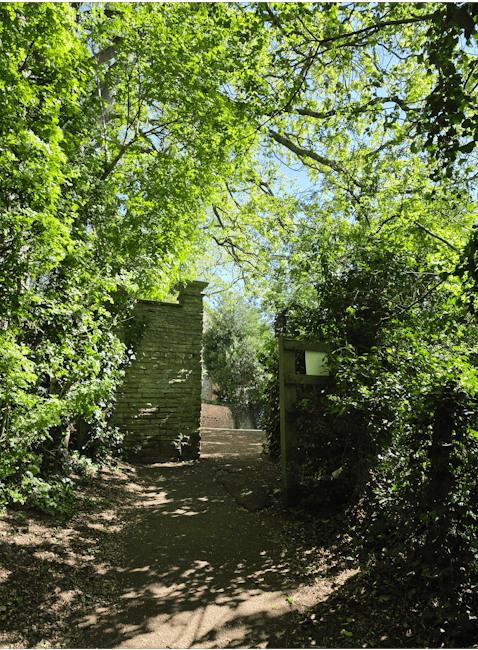
Barnet Council garden rules West Hendon gardeners must know
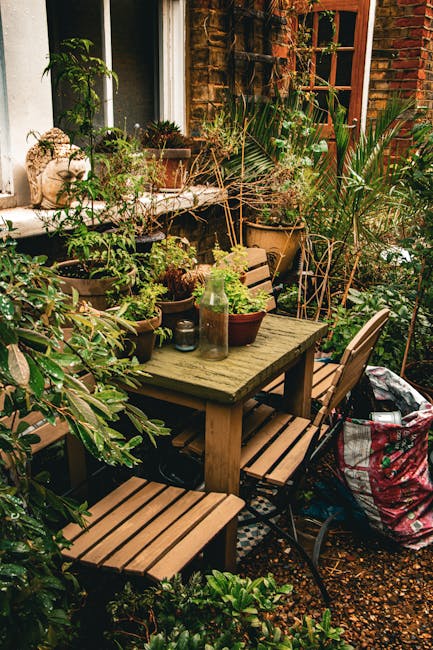
If you garden in West Hendon, the tricky part is not always the planting, pruning, or lawn care. Sometimes it is knowing where good gardening ends and local rules begin. The Barnet Council garden rules West Hendon gardeners must know can affect hedges, waste, front garden changes, boundary structures, tree work, and even how you manage overgrown plots without causing complaints. That may sound a bit dry, but in real life it saves time, awkward conversations, and avoidable costs.
Whether you look after a small terrace garden or a larger family space, these rules shape what you can do, when you can do it, and how carefully you need to plan. This guide gives you a clear, practical overview in plain English, with local context, sensible examples, and the kind of detail that helps you make better decisions from the start.
Why Barnet Council garden rules West Hendon gardeners must know Matters
Garden rules matter because most outdoor work touches more than one concern at once: neighbours, property boundaries, waste handling, drainage, safety, and the appearance of the street. In a place like West Hendon, where homes sit close together and gardens often back onto shared boundaries, one small decision can quickly ripple outward. A hedge grows a little too far. A fence is replaced without checking permission. A tree is cut too heavily. Then suddenly you are dealing with complaints instead of enjoying the garden.
The key point is simple: councils are not trying to spoil your garden plans. They are there to protect amenity, safety, access, and the wider environment. That means rules and expectations often sit around ordinary tasks, especially where work may affect neighbours, visibility, wildlife, or public land. If you understand the basics early, you can design and maintain your garden with confidence instead of guessing.
Truth be told, most garden problems are not dramatic legal dramas. They are usually avoidable misunderstandings. A pruning job done at the wrong time. Waste left in the wrong place. A new structure built without enough checking. The fix is usually straightforward, but prevention is far easier than dealing with the aftermath.
And if you are planning larger changes, it helps to think beyond maintenance. For example, a redesign that includes new levels, surfaces, or timber features can involve more practical oversight than standard mowing or weeding. If you need broader support, a well-managed gardening services West Hendon team can help keep the work organised and tidy from the outset.
How Barnet Council garden rules West Hendon gardeners must know Works
There is not usually one single "garden rulebook" that covers everything in a neat bundle. Instead, garden-related decisions tend to sit across a few practical areas: boundary management, vegetation, waste, trees, structures, and nuisance control. Some issues are influenced by council expectations, while others are shaped by national planning rules, property rights, or general safety duties. That is why garden work can feel a bit fragmented. It is, to be fair.
In practice, the process usually looks like this:
- Identify the type of work. Routine maintenance is very different from major landscaping, tree surgery, or building a new fence or deck.
- Check whether the work affects a boundary, public path, shared access, or a protected feature. Hedges, walls, trees, and fences often sit in that grey area.
- Consider whether permission, notice, or extra care is needed. Even when formal permission is not needed, neighbour relations and practical safety still matter.
- Plan the timing. Seasonal work, nesting birds, wet ground, and windy weather can all affect what is sensible.
- Dispose of waste properly. Green waste, soil, cuttings, and old materials should be handled responsibly, not dumped in a corner for later.
- Keep the work neat and proportionate. A tidy finish matters a lot in close-knit streets.
One simple example: trimming back a hedge that leans over your driveway is usually straightforward. But reducing a large boundary hedge, especially where it provides screening or privacy, can affect light, views, and neighbour expectations. That is where the practical and social side of garden rules starts to matter just as much as the gardening itself.
If the job involves a living boundary or an awkward overgrowth problem, specialist help can be useful. A targeted hedge trimming service often makes more sense than a rushed weekend cut, especially if you want a clean, even result without stressing the plant.
Key Benefits and Practical Advantages
Working with local rules and sensible best practice is not just about avoiding trouble. It actually makes gardening easier. You spend less time undoing mistakes, and more time enjoying a garden that functions properly.
- Fewer neighbour disputes. Clear boundaries, thoughtful pruning, and tidy waste removal reduce friction.
- Healthier plants and trees. Better timing and better methods improve long-term growth.
- Better safety. Overgrown areas, unstable structures, and poor tree management can create hazards.
- Cleaner visual appearance. A well-kept garden supports property pride and street appeal.
- Less avoidable spending. Replacing damaged plants, repairing bad cuts, or fixing poorly planned work can cost more than doing it properly first time.
- More confident planning. You can decide whether to DIY or call in help with a clearer head.
There is also a quieter benefit that people sometimes overlook: peace of mind. When you know your garden is being managed sensibly, you stop second-guessing every cut and every structure. That sounds small, but it makes a big difference on a Sunday morning with a cup of tea and a pair of secateurs in hand.
Who This Is For and When It Makes Sense
This guidance is useful for pretty much anyone who gardens in West Hendon, but the level of detail you need depends on your situation.
- Homeowners planning maintenance, redesigns, boundary work, or seasonal clear-outs.
- Landlords and letting agents who need outdoor areas kept safe, presentable, and easy to manage.
- Tenants who want to avoid damaging the property or breaching tenancy expectations.
- Families making gardens safer for children, pets, and everyday use.
- Older properties where mature trees, old fences, and mixed boundary treatments need more careful handling.
- Anyone doing a garden makeover and considering new surfaces, planting layouts, screens, or seating areas.
It makes sense to pay close attention if your work involves hedges near a pavement, trees with spreading canopies, boundary fences, tall planting that may block light, or any change that could alter drainage or access. Even a seemingly simple decking project can become more complicated if it affects levels or the surrounding surface. If you are exploring a bigger outdoor refresh, local landscaping support can help you shape the job properly from the start.
A small aside, because this catches people out all the time: a garden that looks "fine for now" can still be causing a boundary or maintenance issue underneath. That is especially true after a windy few weeks or a wet spell. You notice it when the neighbour mentions the hedge, not before. Annoying, yes. Common, absolutely.
Step-by-Step Guidance
If you want a practical way to stay on the right side of local expectations, use this sequence. It is not glamorous, but it works.
- Walk the garden slowly. Look at boundaries, trees, shed lines, fences, paved areas, and drainage points.
- Separate routine maintenance from change. Mowing and weeding are different from fencing, decking, or major reshaping.
- Check whether anything affects shared edges. A neighbour-facing hedge or fence line deserves extra care and, ideally, a quick conversation.
- Plan waste removal before you start. Green waste bags, a compost area, or a booked collection arrangement saves hassle later.
- Use the right tools. A clean cut is kinder to plants than a rough hack. No heroic shortcuts needed.
- Work in manageable stages. Especially for larger gardens, do not try to clear everything in one exhausting session.
- Check the finish. Remove loose debris, tidy the edge lines, and make sure water can flow where it should.
- Review the result after a day or two. Sometimes a cut or structure looks fine on the day and reveals a problem once the eye settles.
For regular upkeep, it helps to treat the garden like a living space rather than a one-off project. A solid garden maintenance plan keeps the basics under control and reduces the chance of bigger problems creeping in.
If lawns are part of the picture, keep them even and healthy rather than scalped. That avoids stress to the grass and helps the garden look cared for, not overworked. For that side of the job, lawn mowing in West Hendon and ongoing lawn care are worth separating in your mind: mowing is the cut, lawn care is the long game.
Expert Tips for Better Results
Here is where small habits make a big difference. You do not need to be overly fussy, but a little discipline goes a long way.
- Trim less, more often. Light, regular hedge work usually looks better and is kinder to the plant than heavy reductions.
- Keep a boundary log. A simple note of what was cut, moved, repaired, or replaced helps if questions come up later.
- Think seasonally. Winter, spring, and late summer each bring different risks and opportunities.
- Use clear sight lines. Neat edges and visible paths make a garden feel safer and more usable.
- Choose plantings that suit the space. Fast-growing screening can be useful, but only if you can keep it under control.
- Respect root zones. Digging too close to established trees can create damage that takes years to show.
We often see better results when people think about privacy, shelter, and maintenance together rather than as separate jobs. A smart hedge can screen a seating area, soften wind, and improve the look of a boundary. If you are exploring that route, this article on rapid-growing hedges for privacy is a helpful companion read.
And yes, sometimes the best advice is the boring advice: keep your tools sharp, your cuts clean, and your schedule realistic. Gardens seem to like that, oddly enough.
Common Mistakes to Avoid
Most avoidable garden issues are caused by overconfidence or rushing. Not laziness, usually. Just speed.
- Ignoring boundary ownership. Do not assume a fence, wall, or hedge belongs to you just because it faces your side.
- Cutting too hard in one go. Severe pruning can weaken plants and create an untidy look for months.
- Leaving waste at the edge of the property. It looks sloppy and can attract complaints fast.
- Replacing structures without checking context. New fencing, decking, or surfacing may need a more careful review than a quick swap.
- Letting ivy, climbers, or self-seeded growth take over. It starts politely, then one day the fence is wearing a green jumper.
- Working during poor weather. Wet ground, strong wind, and icy conditions can ruin both the result and your back.
If you have a plant or fence problem that has got away from you, do not panic. A structured clear-out is usually better than repeated half-fixes. For example, if ivy is invading masonry or timber, it is smarter to address it methodically rather than pull and hope. There is a useful local read on ivy eradication if that sounds familiar.
Tools, Resources and Recommendations
Good outcomes often come down to simple, practical kit. You do not need a van full of gadgets, just the right basics.
- Bypass secateurs for live stems and smaller woody growth.
- Long-handled loppers for thicker branches that should not be attacked with brute force.
- Sturdy gloves and eye protection for thorny, dusty, or uneven work.
- Wheelbarrow or garden bags for moving soil, clippings, and waste efficiently.
- Spirit level and tape measure for fencing, edging, decking, and other built elements.
- Compost system or waste plan to stop garden debris building up.
For larger or more technical jobs, experienced help can save time and reduce mistakes. That may include fencing services for boundary work, decking services for outdoor seating areas, or patio cleaning when hard surfaces need bringing back to life after a wet winter. The right help at the right stage is often cheaper than fixing a messy finish later.
If trees are part of your garden structure, do not treat them like oversized shrubs. Tree work can have different risk levels and may require more care than people expect. A professional tree surgery service is worth considering when branches, size, or safety are in question.
For anyone starting a refresh rather than just maintaining what is already there, broader design support can be valuable too. A sensible garden upgrade often begins with a clear plan, not a pile of materials. That is where landscaping expertise and wider garden help in West Hendon can save a lot of backtracking.
Law, Compliance, Standards, or Best Practice
Because this topic overlaps with local rules, property matters, and garden safety, a cautious approach is best. Not every job needs formal permission, but plenty of jobs need sensible checking. The safest way to think about it is this: if the work affects boundaries, trees, structures, drainage, shared access, or the street scene, pause and review before you start.
Good practice usually includes:
- Checking ownership and responsibility for fences, walls, hedges, and trees.
- Respecting neighbours' enjoyment of light, privacy, and access.
- Using safe methods for ladders, cutting tools, lifting, and waste handling.
- Avoiding damage to protected or mature features unless you are sure of the implications.
- Keeping work neat and proportionate so it does not create avoidable nuisance.
If you are ever unsure, treat the question as a planning and safety issue first, not a cosmetic one. That mindset helps. It means you ask: does this job change the structure, the boundary, the drainage, the trees, or the neighbour relationship? If the answer is yes, it deserves a more careful look.
And one more honest note: if a garden job starts sounding like it needs permissions, structural checks, or very high-risk climbing, that is usually the moment to step back and get a qualified view. No shame in that. None at all.
Options, Methods, or Comparison Table
Different garden tasks need different approaches. The table below helps separate the everyday jobs from the ones that deserve extra care.
| Task | Typical approach | Main risk if rushed | Best fit |
|---|---|---|---|
| Routine mowing and edging | Regular light maintenance | Patchy finish, scalping, uneven growth | Most front and back gardens |
| Hedge trimming | Small, frequent cuts | Over-cutting, bare patches, neighbour friction | Boundaries, screening, privacy planting |
| Fence replacement | Measure, check ownership, install carefully | Boundary disputes, poor alignment, wind damage | Damaged or aging boundaries |
| Decking or patio improvements | Plan levels and drainage first | Ponding, slippery surfaces, awkward steps | Seating zones and outdoor living areas |
| Tree work | Assess structure, height, and safety | Unsafe cuts, stress to tree, falling branches | Mature gardens and tight urban plots |
If you are choosing between DIY and a professional crew, ask yourself one simple question: would I still feel comfortable if this job took twice as long, or if I had to fix small mistakes afterward? If the answer is no, that is probably your signal. A bit of honesty here saves headaches later.
Case Study or Real-World Example
A West Hendon homeowner came to a fairly ordinary problem: a hedge along the rear boundary had become uneven, a fence panel was leaning, and the patio had gone slippery after a long damp spell. Nothing dramatic. Just one of those gardens that slowly stops feeling welcoming.
Instead of tackling everything at once, the work was split into three stages. First, the hedge was trimmed back lightly so it stayed dense rather than hacked bare. Second, the boundary fence was checked and repaired rather than replaced wholesale. Third, the patio was cleaned properly, with the joints cleared and the surface allowed to dry fully before furniture went back on it.
The result was not just a tidier garden. The space felt bigger, the boundary looked intentional again, and the owner stopped worrying about whether the hedge was annoying the neighbour. That is the hidden value of good garden management: you get your outdoor space back.
In a case like that, a coordinated approach matters more than flashy design. Maintenance, structure, and appearance all feed into one another. If you are looking at a similar mix of problems, it often helps to think in terms of small, ordered steps rather than one giant makeover. Much calmer. Much better.
Practical Checklist
Use this quick checklist before starting any garden work that might be affected by Barnet Council garden rules or nearby property concerns:
- Have I identified exactly what work is being done?
- Does it affect a boundary, hedge, tree, fence, deck, or patio?
- Do I know who owns or is responsible for the feature?
- Could it affect a neighbour's light, privacy, access, or enjoyment?
- Do I need to check permission, notice, or safety considerations first?
- Have I planned where green waste and debris will go?
- Do I have the right tools and protective gear?
- Is the weather suitable for the job?
- Will I be able to finish the work neatly?
- Do I need professional help for anything structural, tall, or complex?
If you tick most of those boxes, you are already ahead of the game. And if a few boxes are uncertain, that is okay too. Better to pause now than solve a mess later.
Get a free quote today and see how much you can save.
Conclusion
The Barnet Council garden rules West Hendon gardeners must know are not there to make gardening harder. They exist to keep outdoor spaces safe, neighbour-friendly, and manageable in a busy London setting. Once you understand the basics, the whole thing becomes much less stressful. You know when to trim, when to check, when to ask, and when to bring in help.
The best gardens are not just attractive. They are well judged. They fit the property, respect the boundary lines, and stay workable through the seasons. That is what good local gardening looks like in practice.
So take your time, plan carefully, and keep things tidy. A little care now makes the garden easier to enjoy later, and honestly, that is the whole point.
Frequently Asked Questions
What are the main Barnet Council garden rules West Hendon gardeners should know?
The main things to watch are boundaries, trees, hedges, waste disposal, safety, and anything that affects neighbours or public areas. Not every job needs formal approval, but many need careful checking before work starts.
Do I need permission to trim my hedge in West Hendon?
Routine hedge trimming is usually part of normal garden maintenance, but if the hedge is on a boundary, forms screening, or is linked to a wider dispute, it is wise to check the ownership and impact first.
Can I replace my garden fence without checking anything first?
Not always. Fence replacement can involve boundary responsibility, height concerns, and neighbour expectations. It is sensible to confirm what belongs where before removing the old panels.
Are trees in a private garden subject to special rules?
They can be. Tree work may need extra care if the tree is mature, close to a boundary, or has any protection or wider significance. If in doubt, treat tree work as something more than ordinary pruning.
What should I do with hedge cuttings and green waste?
Bag it, compost it, or remove it responsibly. Leaving waste piled by a boundary or on a pavement edge is a common source of complaints and looks untidy very quickly.
Can overgrown gardens cause problems with the council?
Yes, especially if the garden creates nuisance, blocks access, affects safety, or becomes a visible maintenance issue. The bigger issue is often neighbour concern before formal enforcement, but either way it is best handled early.
Is it better to hire a gardener or do the work myself?
DIY is fine for routine jobs if you are confident and the task is straightforward. For boundary work, structural features, large hedges, or tree-related jobs, professional help is often the safer choice.
What garden jobs usually need the most care in West Hendon?
Hedge trimming near boundaries, fence replacement, tree work, decking, drainage changes, and heavy clearances tend to need the most thought. They are the jobs most likely to affect neighbours or long-term garden health.
How often should I maintain a garden to avoid issues?
Little and often usually works best. Regular mowing, seasonal hedge checks, basic weeding, and periodic boundary inspections prevent the sort of neglect that turns into bigger work later.
What if my neighbour and I disagree about a shared boundary?
Stay calm, document what you see, and focus on the practical issue rather than the argument. It often helps to discuss the feature in question directly and then seek clarification before taking action. No need for drama if a measured conversation can do it.
Do patios, decking, and landscaping count as garden rule issues too?
Yes. Any hard landscaping can affect drainage, access, height, and the overall appearance of the property. If the change is substantial, it deserves the same careful checking as planting or boundary work.
What is the safest first step if I am unsure about a garden project?
Walk the site, note what the project affects, and decide whether it is routine maintenance or something more structural. If the answer is not obvious, get advice before starting. That one habit prevents a lot of expensive surprises.