Best gardeners near West Hendon Station for urgent lawn repairs
If your lawn has suddenly turned patchy, muddy, scalped, or flattened, you probably do not want a long gardening essay right now - you want help, and you want it fast. Finding the best gardeners near West Hendon Station for urgent lawn repairs is really about one thing: getting the grass stable, healthy, and presentable before the problem spreads. That might mean repairing storm damage, lifting compacted turf, sorting out dead patches, or bringing a tired lawn back after heavy use. Either way, the right local gardener can make a very noticeable difference, often sooner than people expect.
This guide breaks down what urgent lawn repair actually involves, how to choose the right gardener, what good work looks like, and which services tend to be most useful when the lawn cannot wait. You will also find a checklist, a comparison table, and a practical FAQ section to help you make a sensible decision without faffing about.
Why urgent lawn repairs matter
A lawn rarely fails all at once. More often, it starts with one ugly patch after a wet week, then a bit of dog damage, then a section that gets compacted where people cut across the garden, and before you know it the whole thing looks scruffy. In West Hendon, where many gardens see a mix of shade, foot traffic, and the odd weather swing, small turf problems can become obvious quite quickly.
Urgent lawn repairs matter because timing changes the outcome. If bare soil stays exposed, weeds move in. If drainage is poor, roots suffer. If a damaged area keeps being walked on, the surface becomes harder to rescue. It is a bit like ignoring a chip in a windscreen - manageable at first, annoying later, and not really cheaper when left too long.
For anyone searching for the best gardeners near West Hendon Station for urgent lawn repairs, the priority is not just appearance. It is also protecting the turf structure, reducing repeat damage, and getting the lawn back to a point where normal mowing and care can continue. A good local gardener will look at the cause, not just the symptom. That distinction matters.
You may also need wider support if the damage is part of a bigger garden issue. For example, if the lawn is being damaged by overgrown edges, poor routine care, or a neglected border, a broader garden maintenance service in West Hendon can stop the same problem returning.
How urgent lawn repair works
Good lawn repair is usually a sequence, not a single treatment. The exact method depends on what has gone wrong, but the basic process tends to follow the same logic: inspect, prepare, repair, and then protect the area so it settles properly.
Here is how it typically works in practice:
- Assessment - The gardener checks whether the issue is surface damage, shallow root stress, poor drainage, pests, compaction, or a mowing problem.
- Preparation - Dead grass, moss, weeds, debris, and loose soil are cleared. If necessary, the area is lightly scarified or aerated.
- Repair - This may involve overseeding, turf patching, topdressing, levelling, or improving the soil underneath.
- Aftercare - Watering guidance, protection from heavy use, and sometimes mowing adjustments are given so the repair can knit in.
For a small damaged area, you might only need overseeding and topsoil. For more serious wear, especially if the ground is compacted or uneven, you may need a more considered recovery plan. And yes, it can be a bit frustrating when a quick-looking job turns into several steps - but that is often what saves you from redoing the same patch in six weeks.
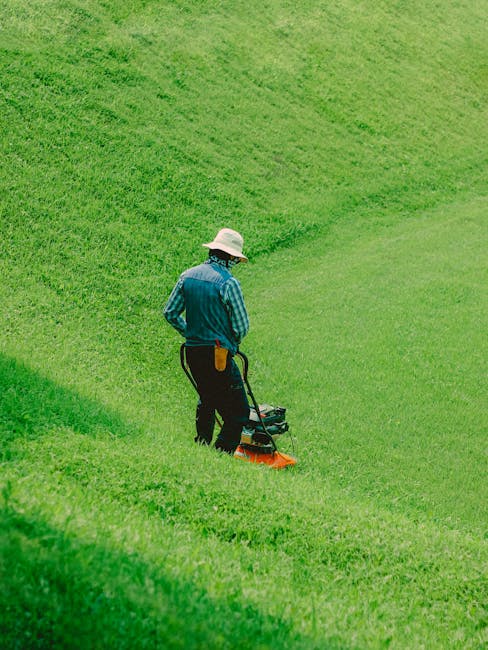
When the repair is tied to broader lawn health, services such as lawn care in West Hendon NW9 are often more useful than a one-off cosmetic fix. If the grass is just too long and stressed, a careful lawn mowing service in West Hendon may also be part of the solution, provided the turf is healthy enough to cut safely.
Key benefits and practical advantages
The obvious benefit is that your garden looks better. But there is more to it than a tidy finish. A properly repaired lawn supports the whole outdoor space. It frames planting beds, makes patios feel intentional, and gives you a usable surface again. You notice the difference on a sunny morning when the grass looks even rather than tired and blotchy.
- Faster recovery than waiting for natural regrowth alone.
- Better weed resistance because dense grass leaves fewer gaps.
- Improved drainage and surface stability when the soil is corrected properly.
- Safer footing on levels and patches that might otherwise become muddy or slippery.
- More consistent mowing results once the lawn is even again.
There is also a confidence benefit. A lawn in rough shape can make the whole garden feel unfinished, even if the rest is fine. Once the turf is repaired, everything else tends to look better too. Funny how that works, really.
If the damage came from a wider weather event or seasonal stress, it can help to pair the repair with some weather-proofing thinking. The guide on fortifying a garden against destructive weather is useful background for understanding why lawns sometimes fail after a sudden change in conditions.
Who this is for and when it makes sense
Urgent lawn repairs make sense for more people than you might think. You do not need a huge garden or a fancy lawn to benefit from a fast response. In fact, smaller urban gardens near stations and busy streets often need quicker repairs because they are used more intensively and can be shaded or compacted in awkward ways.
This service is especially relevant if you are dealing with any of the following:
- patches caused by pets, parties, or heavy foot traffic
- bare areas after drought or waterlogging
- mossy, thin, or thinning turf
- lawn edges damaged by trimming mistakes or poor mowing patterns
- soil that feels hard, bouncy, or uneven underfoot
- new turf that has lifted, dried out, or not rooted properly
It also makes sense if you are trying to prepare a property for visitors, a rental inspection, or a family event. Nobody wants to host a barbecue with a lawn that looks like it has given up. The good news is that many repairs are very doable when tackled early.
If the lawn damage is part of a larger garden refresh, a broader gardening services package in West Hendon NW9 can be the neatest way to get the whole space back into shape without juggling multiple visits.
Step-by-step guidance
If you want to make a smart choice quickly, use a simple process. It does not need to be complicated.
1. Identify the type of damage
Look closely. Is the lawn simply dry, or has turf been physically removed? Is it just one patch, or are there several trouble spots? Different problems need different treatments. A sparse area after dog wear needs a different approach from a waterlogged patch where the soil has gone soft and muddy.
2. Check whether the issue is local or structural
Local damage is often repairable with overseeding or patching. Structural issues - poor drainage, shading, root competition, or repeated compaction - need a gardener who can think a little further ahead. That is where proper experience shows.
3. Ask what the repair plan includes
A clear answer should mention preparation, materials, the expected recovery period, and aftercare. If someone just says "we'll sort it," that is not enough detail for an urgent job.
4. Match the service to the urgency
For a quick visual improvement, patching or reseeding may be fine. For deeper lawn failure, you may need aeration, topdressing, levelling, or even partial re-turfing. There is no single best fix for every garden, which sounds obvious, but it gets ignored a lot.
5. Confirm the aftercare
Repairing the lawn is only half the job. The gardener should tell you when to water, when to keep off the grass, and when mowing can resume. If they do not mention aftercare, that is a red flag, honestly.
6. Keep the surrounding garden in mind
Sometimes the cause sits outside the lawn itself. Overhanging branches, messy edges, climbing weeds, or broken borders can all affect grass health. In those cases, linked services such as hedge trimming in West Hendon NW9 or tree surgery in West Hendon may be part of the wider fix.
Expert tips for better results
In our experience, the best lawn repairs are the ones that respect the season and the soil. A rushed fix that ignores conditions often looks good for a week, then slips back. No one wants that.
Tip one: repair when the weather is mild and the soil is workable. Extremely hot, dry, or waterlogged conditions make grass establishment harder. Early morning or later afternoon work is often more comfortable too, both for the gardener and for the lawn.
Tip two: keep repairs slightly larger than the visible damage. A patch that is cut too tightly can stand out like a sore thumb. Blending the edges makes the lawn look more natural once it recovers.
Tip three: do not overwater. New seed needs moisture, yes, but soggy soil can slow germination and invite fungus. A light, consistent approach usually beats the dramatic soak.
Tip four: if the grass is shaded most of the day, consider whether the right answer is actually a more shade-tolerant planting approach or a different ground treatment. You may not need a perfect bowling-green lawn. Sometimes a resilient, lower-maintenance finish is the smarter answer.
Tip five: if weeds are winning, deal with them before repair, not after. Otherwise you are feeding the competition. There's a garden joke in there somewhere, but let's not dwell on it.
For readers who want to improve the rest of the garden while they are at it, the article on savvy weed-control techniques is a practical companion piece.
Common mistakes to avoid
Some lawn problems are made worse by well-meaning but clumsy fixes. That sounds harsh, but it is true.
- Cutting too low after damage, which stresses the grass again.
- Applying seed without preparation, so it sits on compacted soil and struggles to root.
- Using the wrong soil mix for the patch, which can create lumps or poor drainage.
- Walking on the repair too early, which ruins root establishment.
- Ignoring the cause, such as shade, pets, or drainage.
Another common mistake is assuming every brown patch is dead. Sometimes grass is dormant, not lost. A patient inspection can save unnecessary work, and a decent gardener should say so rather than pushing for a bigger job than needed.
Also, be careful with one-size-fits-all advice. A lawn next to a decking area behaves differently from one beside a fence or under a tree. Local conditions matter. A lot.
Tools, resources and recommendations
You do not need a shed full of professional kit to understand a lawn repair quote, but a few basics help you speak the same language as your gardener.
- Hand fork or aerator - loosens compacted areas and helps air reach the roots.
- Rake - useful for clearing thatch, dead grass, and loose debris.
- Topsoil or lawn dressing - helps level low spots and improve the surface.
- Grass seed - should suit the site conditions, especially shade or sun.
- Watering can or hose - for gentle, controlled watering after repair.
- Garden edging tools - useful if broken lawn edges are part of the problem.
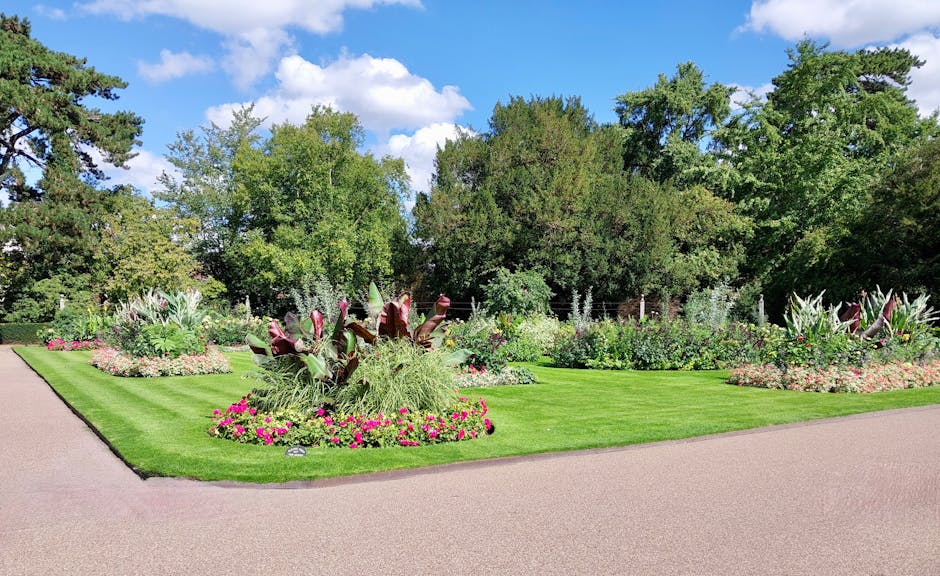
If you want to understand how a full garden refresh can support the lawn, take a look at landscaping services in West Hendon NW9. Small changes to levels, edging, and planting layout can make a repair last much longer. And if the garden needs a broader tidy-up before treatment, specialist lawn care is often the more useful starting point than a purely cosmetic visit.
For readers interested in longer-term lawn resilience, the blog on practical gardening tips for beginners is a good general reference, while the compost and organic waste guide offers useful context on building healthier soil over time.
Law, compliance, standards, or best practice
For lawn repairs, there is usually no heavy regulatory process involved, but good practice still matters. A reputable gardener should work safely, protect nearby surfaces, and avoid leaving trip hazards or debris behind. That is basic professionalism, really.
If tools, powered equipment, or ladders are involved, sensible site safety should be part of the job. In residential gardens near walkways, fences, shared access routes, or patios, a careful setup is especially important. If a task involves tree roots, drainage changes, or boundary issues, it is wise to keep an eye on permissions and ownership questions before any major work starts.
There is also a soft standard worth mentioning: clear communication. A good gardener should explain what they are doing, what will happen next, and what the aftercare needs are. That is not just nice service; it is the sort of best practice that avoids misunderstandings later. Plain English helps.
If the repair is part of a larger garden project and you need help coordinating several tasks, a properly planned visit through the West Hendon contact page is the cleanest next step for discussing scope and timing.
Options, methods, or comparison table
Different lawn problems call for different repair methods. Here is a simple comparison to help you think it through.
| Method | Best for | Pros | Trade-offs |
|---|---|---|---|
| Overseeding | Thin lawns, light wear, patchy recovery | Cost-effective, improves density | Needs time, moisture, and protection from traffic |
| Topdressing | Minor dips, uneven surface, weak soil | Improves level and rooting conditions | Can be messy if over-applied |
| Aeration | Compacted or hard soil | Helps air, water, and nutrients reach roots | Usually needs follow-up feeding or seeding |
| Patch turfing | Smaller bare areas needing fast visual improvement | Quick finish, easier to blend in | Needs careful watering and matching turf |
| Partial re-turfing | Wider damaged zones or failed sections | Stronger reset for badly damaged turf | More labour and a longer settle-in period |
In simple terms: seed is slower but economical, turf is faster but needs more care, and aeration is often the quiet hero when the soil itself is the real issue. If you are unsure which route to take, a gardener who inspects first and recommends the least invasive fix usually deserves your trust.
Case study or real-world example
Picture a small garden near West Hendon Station after a few weeks of wet weather and repeated foot traffic. The lawn has one soggy patch near the path, one thin strip where the kids have been turning on the grass, and a dry, tired section near a tree where little sunlight reaches the ground. Nothing dramatic on its own, but together it looks messy and refuses to recover properly.
A sensible gardener would not just spread seed everywhere and hope for the best. They would first identify that the muddy patch needs drainage attention and aeration, the turning area needs patching and protection, and the shaded strip may need a more resilient solution or a reduced expectation for dense turf. In many cases, a little edging, a few border tweaks, and a careful cut-height adjustment help the repair settle better. The result is not instant perfection - lawns rarely work like that - but within a few weeks the space starts to look coherent again.
That kind of measured approach is exactly what separates the best gardeners near West Hendon Station from the merely available ones. Availability matters, of course, but judgement matters more.
Practical checklist
Use this quick checklist before you book anyone for urgent lawn repairs:
- Have I identified the main cause of damage?
- Is the problem a small patch, multiple patches, or a broader lawn issue?
- Do I need turf repair, overseeding, aeration, or a mixture?
- Have I checked whether nearby trees, hedges, or fences are contributing to the issue?
- Do I understand what aftercare the repair will need?
- Is the timing suitable for the weather and the lawn's condition?
- Will I need broader garden support at the same time?
- Have I prepared for limited foot traffic while the repair establishes?
Expert summary: the best urgent lawn repair is not always the fastest-looking one on day one. It is the one that actually roots, levels, and holds up after you stop thinking about it. That is the real win.
Get a free quote today and see how much you can save.
Conclusion
When a lawn goes wrong, it can feel bigger than it really is. A patch here, a bare strip there, and suddenly the whole garden looks unfinished. The good news is that urgent lawn repairs are usually very manageable when they are handled promptly, by someone who understands what caused the damage in the first place.
If you are comparing options near West Hendon Station, focus on practical knowledge, clear communication, and an honest repair plan. The right gardener will not just make the grass look better for a week; they will help it recover properly and stay healthier afterward. That is what you want, really. Steady improvement, not a temporary cover-up.
And once the lawn begins to settle, the whole garden tends to breathe a little easier too. Funny, that. A patch of grass can change the mood of the place more than people expect.
Frequently Asked Questions
How quickly can urgent lawn repairs usually be done?
It depends on the damage and the method. Small patches can often be repaired quickly, while larger or more complex problems may need a staged approach with follow-up visits. The main thing is to act early.
What is the best repair for bare patches in a lawn?
For small bare patches, overseeding or turf patching is often the best option. If the soil is compacted or uneven underneath, the gardener may need to improve the ground first so the repair actually takes.
Can a damaged lawn recover without re-turfing?
Yes, many lawns recover well without full re-turfing. If the root system is still alive and the soil is workable, overseeding, aeration, and topdressing can produce a strong result.
How do I know whether my lawn needs aeration?
If the ground feels hard, water sits on the surface, or the grass is thin in high-traffic areas, aeration may help. It is especially useful where soil compaction is the real issue.
Is lawn repair worth it before a garden event?
Usually yes, especially if the damaged area is in a visible part of the garden. Even a partial fix can make the space look much more cared-for, which helps a lot when guests are coming.
What should I ask a gardener before booking urgent lawn work?
Ask what caused the damage, what repair method they recommend, what aftercare is needed, and how long recovery should take. A good gardener should answer clearly and without overselling the job.
Will mowing help or hurt a damaged lawn?
That depends on the condition of the turf. Light, careful mowing can help a healthy lawn, but damaged or newly repaired areas may need time before cutting. Mowing too soon can undo the repair.
Can shade damage be repaired like normal lawn wear?
Sometimes, but not always. Shady lawns often need different seed choices, gentler expectations, or even a different ground-cover strategy if the area stays dark for much of the day.
How much aftercare does a repaired lawn need?
Usually more than people expect. New seed or turf needs watering, limited foot traffic, and careful mowing timing. The repair is only the beginning; the settle-in period does most of the work.
Should I combine lawn repair with other garden services?
If the damage is linked to overgrown hedges, poor drainage, broken edges, or shaded areas, then yes, combining services can be sensible. It often saves time and reduces repeat problems.
What if the lawn keeps getting damaged in the same spot?
That usually points to a deeper cause, such as foot traffic, pets, compaction, shade, or drainage. A proper diagnosis matters more than repeated patching in exactly the same place.
How do I choose the best gardeners near West Hendon Station for urgent lawn repairs?
Choose someone who explains the cause clearly, offers the right repair method for your lawn, and gives practical aftercare advice. Local knowledge helps too, because West Hendon gardens often deal with mixed shade, compacted areas, and weather-related wear. The best choice is usually the one that feels sensible, not flashy.