020 3744 3778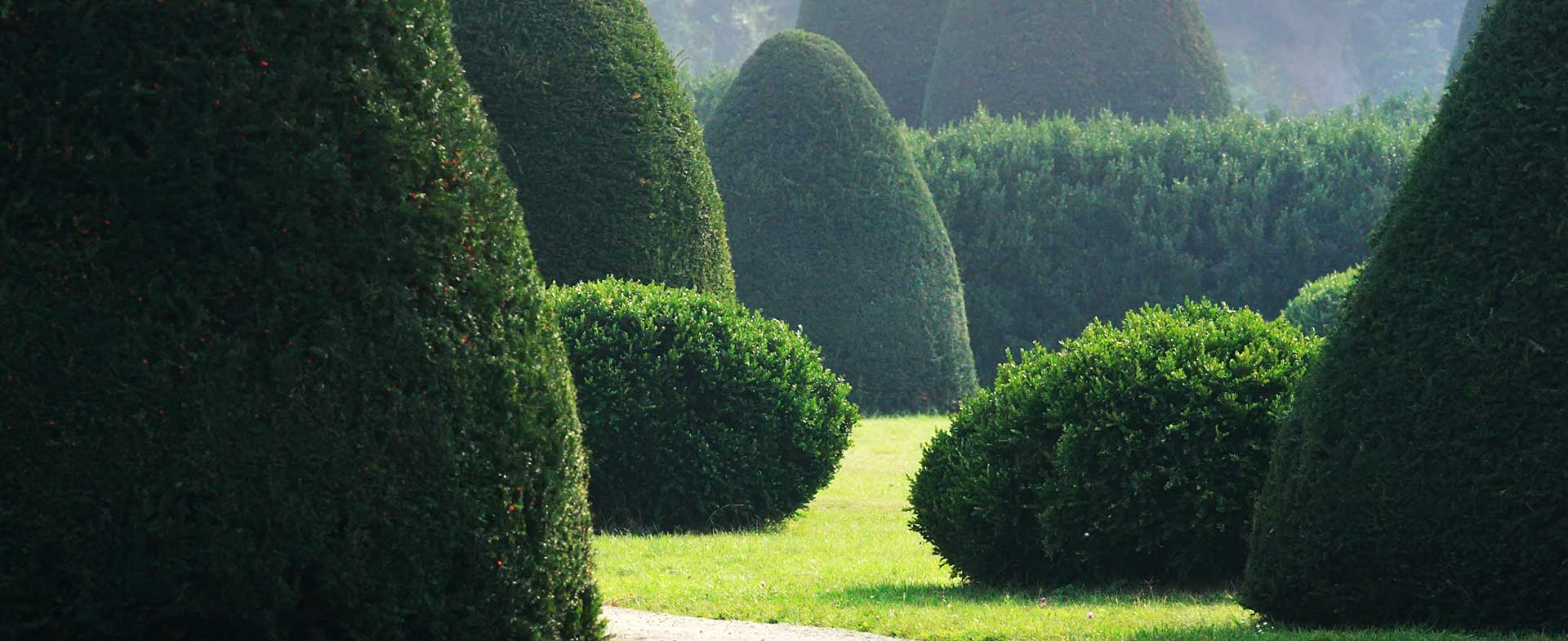
Art and Nature Unite: Inspired Hedge Trimming Shapes and Techniques
Posted on 16/09/2025

Art and Nature Unite: The Artistry Behind Inspired Hedge Trimming Shapes and Techniques
Imagine walking into a garden where sculpted hedges transform the landscape into living art. The union of horticulture and creativity through hedge trimming bridges the natural world with human innovation. This comprehensive guide explores how art and nature unite in the world of inspired hedge trimming, providing unique shapes and advanced techniques for both novices and seasoned gardeners.
Introduction to Inspired Hedge Trimming
The art of hedge trimming is much more than routine garden maintenance. When treated as a creative endeavor, hedge sculpting becomes a form of natural artistry. Homeowners, landscape artists, and gardening enthusiasts are increasingly embracing innovative hedge trimming techniques to infuse their outdoor spaces with personality and style. In this article, we will delve into the various shapes, styles, and methods that elevate hedge trimming into a harmonious blend of art and nature.
Why Shape Matters: The Beauty and Function of Hedge Art
Hedges serve both practical and aesthetic purposes: they define boundaries, enhance privacy, support biodiversity, and bring striking visual interest to any landscape. When pruned with imagination and skill, hedges can:
- Frame walkways and pathways with elegance.
- Create eye-catching focal points in gardens and yards.
- Add a sense of whimsy and playfulness through animal or geometric forms.
- Promote healthy plant growth and structure.
- Highlight seasonal changes and textures.
Well-designed hedge shapes enhance the overall landscape design and showcase the seamless fusion of artistic vision with botanical mastery.
Popular Hedge Trimming Shapes: From Classic Geometry to Imaginative Topiary
1. Formal Hedges and Geometric Designs
The foundation of inspired hedge trimming lies in classic shapes. These forms are timeless and suit a variety of gardens, from stately homes to minimalist spaces. Some of the most enduring geometric hedge styles include:
- Squares and Rectangles: Ideal for borders, these shapes convey precision and order.
- Spheres and Globes: Round hedges soften hardscapes and add visual interest.
- Pyramids and Cones: Tall, pointed hedges create height and drama.
- Cylindrical hedges: Perfect for lining pathways or driveways with symmetrical style.
Tips for Success: Use string lines, stakes, and template boards to guide your cuts and ensure symmetry. Consistency is key for these shapes to shine!
2. Artistic Topiary: Whimsical and Thematic Shapes
Topiary is where hedge artistry truly flourishes. By shaping shrubs into animals, objects, or abstract forms, gardeners breathe imagination into nature. Some sought-after topiary designs are:
- Animal Sculptures: Rabbits, peacocks, dolphins, and more bring gardens to life.
- Spirals: Twisting shapes offer a sense of movement and sophistication.
- Fantasy Figures: Dragons, cartoon characters, or mythical creatures spark wonder in visitors.
- Lettering: Personalized messages or initials make statements in public and private landscapes.
Topiary demands patience and frequent shaping, but the results are worth it - a unique fusion of creativity, skill, and horticulture.
3. Freeform and Organic Trimming
Not every hedge needs crisp lines or strict adherence to form. Freeform reshaping respects the natural growth patterns and flow of the plants.
- Wavy Lines: Echo the rolling landscape or mimic natural water courses.
- Undulating Edges: Break up monotony and invite the eye to wander.
- Cloud Pruning: Originating from Japanese niwaki techniques, these hedges resemble fluffy mounds or clouds scattered across the garden.
Organic hedge shapes appear effortless, yet they demand a keen understanding of plant growth and careful maintenance to remain artfully wild.
Essential Hedge Trimming Techniques: Tools, Timing, and Approaches
Choosing the Right Plants for Artistic Pruning
Not all plants are suitable candidates for intricate hedge trimming shapes. The best results come from species that are dense, evergreen, and responsive to regular cutting. Top choices include:
- Boxwood (Buxus): Renowned for its fine leaves and robust growth.
- Yew (Taxus): Dark green, flexible, and highly tolerable of pruning.
- Privet (Ligustrum): Fast-growing and versatile for both formal and informal designs.
- Holly (Ilex): Offers glossy leaves and bright berries.
- Lonicera nitida (Shrubby Honeysuckle): A popular choice for small-leaved hedges and figures.
Select species that thrive in your climate, accounting for sunlight, soil, and moisture conditions for long-lasting and healthy hedge sculpting.
Must-Have Hedge Trimming Tools for Precision and Creativity
Every garden artist needs the right tools. The following equipment is essential for executing inspired hedge trimming techniques:
- Manual Shears: Offer precision for detail work and shaping.
- Electric or Battery-Powered Trimmers: Speed up maintenance for long stretches of hedge.
- Topiary Shears: Small, sharp, and perfect for intricate designs and finishing touches.
- Loppers: Helpful for removing thicker branches and overgrowth.
- String, Canes, and Templates: Guide geometric or complex shapes and maintain uniformity.
- Safety gear: Gloves, safety glasses, and sturdy boots are always recommended.
Keep all tools sharp, clean, and well-maintained for the healthiest cuts and the neatest results.
Mastering the Timing: When to Trim for Best Results
Timing plays a critical role in the success of artistic hedge trimming. The general rule:
- For evergreen shrubs, trim in late spring or early summer after new growth appears.
- Deciduous hedges are best pruned in late winter or early spring before leaf emergence.
- Light maintenance pruning can be done throughout the growing season, but avoid hard cuts just before winter.
- Topiary shapes demand more frequent, gentle trimming to keep outlines distinct.
Proper timing encourages dense, uniform growth and minimizes the risk of harming the plant.
Guided Steps: Crafting Your Own Inspired Hedge Shapes
Ready to bring your hedge artistry vision to life? Follow these essential steps:
- Map Out Your Design: Sketch your idea and place markers or templates.
- Start with Rough Cuts: Remove large branches to create a basic outline.
- Shape the Details: Switch to finer shears for curves, corners, and edges.
- Step Back Frequently: Regularly view your work from a distance to ensure proportion and symmetry.
- Finish and Maintain: Smooth the surface, clean cuttings, and monitor for signs of stress or disease.
Patience, creativity, and consistency are the keys to transforming ordinary hedges into extraordinary living art.
Advanced Techniques: Exploring the Cutting Edge of Hedge Artistry
Wire Framing for Consistent Topiary
Wire framing is a topiary technique favored by professionals and ambitious gardeners alike. By constructing a wire model in the shape of your desired design and placing it over the young hedge, you can:
- Guide pruning with confidence, especially for complex or symmetrical figures.
- Ensure long-term consistency as the hedge fills the frame over time.
- Experiment with unusual designs without risking plant health through over-pruning.
The Japanese Influence: Cloud Pruning and Niwaki
Cloud pruning (Niwaki) traces its roots to Japanese garden traditions. This technique transforms hedges into a series of rounded, cloud-like forms, emphasizing:
- Subtlety and asymmetry.
- Natural bone structure of the plant for a windswept appearance.
- Harmony with rocks, water, and other garden elements.
Careful, incremental trimming and a disciplined eye are vital for achieving the ethereal beauty of cloud-pruned hedges.
Living Fences and Green Walls: Functional Art in Hedge Design
Functional hedges can offer both privacy and practical benefits:
- Living fences block wind, absorb noise, and define property lines with elegance.
- Green walls or vertical gardens merge hedging plants with trellises or wire supports, bringing inspired hedge trimming to small spaces and urban environments.
Selecting species with fine foliage and rapid recovery from frequent cutting is essential for success in these bold designs.

Caring for Artistic Hedges: Maintenance and Troubleshooting
Feeding and Watering for Healthy Growth
For vibrant, lush hedge art, supplement trimming with:
- Organic mulch to retain moisture.
- Balanced fertilizer in spring to encourage new shoots.
- Regular, deep watering during dry spells, especially for newly shaped plants.
Pest and Disease Management
A key to lasting inspired hedge shapes is early detection of problems, such as:
- Box blight, aphids, and scale insects for boxwoods and privets.
- Powdery mildew or fungal diseases, especially in dense or shaded areas.
- Root rot from poor drainage; ensure air flow and avoid overwatering.
Inspect hedges regularly, prune out affected areas, and use appropriate organic or chemical treatments as needed.
Environmental Impact: Supporting Wildlife with Artful Gardens
Hedge trimming isn't just about visuals - inspired designs can enhance local ecosystems:
- Native hedging species support bees, birds, and beneficial insects.
- Diverse shapes and heights provide shelter and habitat for wildlife.
- Flowering and berrying hedges feed pollinators and birds year-round.
Combine artistry with ecology for gardens that are as lively as they are lovely!
Showcasing the Masters: Notable Hedge Art Gardens Worldwide
- Levens Hall, England: World-famous for giant leafy chess pieces and playful shapes formed since the 1690s.
- Marqueyssac Gardens, France: Over 150,000 hand-pruned boxwood hedges, rippling like green waves along dramatic cliffside walkways.
- Longwood Gardens, USA: Precision topiary and bold forms grace formal terraces and lush meadows.
- Japanese temple gardens: Living examples of cloud pruning and subtle organic design.
Visit or research these iconic locations for fresh inspiration, or use their techniques as a springboard for your own hedge artistry!
Conclusion: Letting Art and Nature Unite in Your Own Garden
Hedge trimming is both a science and an adventure in natural art. Whether you prefer classic geometric precision, playful topiary, or wild organic forms, inspired hedge trimming allows you to express your creativity while nurturing living plants. With the right species, tools, techniques, and a little patience, anyone can unite art and nature in their own outdoor spaces. Why settle for simple greenery when your garden can become a masterpiece?
Frequently Asked Questions on Inspired Hedge Trimming Shapes and Techniques
- How often should I trim my hedge for best results? Most hedges benefit from trimming two to three times during the active growing season. Topiary requires more frequent touch-ups for sharp detail.
- What is the best hedge plant for beginners? Boxwood and privet are easy to shape and recover quickly from pruning, making them perfect for newcomers to hedge art.
- Can I shape an old, overgrown hedge? Yes, though it may require heavy renovation pruning over several years. Consult expert guides to avoid causing plant stress or death.
- Are powered trimmers or hand shears better? Use powered trimmers for long, straight stretches and initial cuts. Use hand shears or topiary scissors for precision and delicate shapes.
- Will creative trimming harm my plants? If done with care, regular, light shaping actually encourages denser, healthier growth. Always avoid deep cutting into old wood unless rejuvenating a neglected hedge.
Let your imagination take the lead - and discover the stunning results when art and nature unite through inspired hedge trimming shapes and techniques.
Latest Posts
Awakening Nature's Charm: Launching a Garden Makeover
Organic Waste: From Compost to Fertile Fields
9 Ground Cover Plants to Make Your UK Garden Thrive
The beginner's guide to container gardening
Art and Nature Unite: Inspired Hedge Trimming Shapes and Techniques

From a young age, Blair has cultivated a passion for order, which has now matured into a prosperous profession as a waste removal specialist. She derives satisfaction from transforming disorderly spaces into practical ones, aiding clients in conquering the burden of clutter.