020 3744 3778
The beginner's guide to container gardening
Posted on 21/09/2025

The Beginner's Guide to Container Gardening: Transform Any Space into a Green Oasis
Are you dreaming of growing your own vegetables, herbs, or flowers, but limited by space? Container gardening for beginners is the perfect solution. Whether you have a compact balcony, a sunny windowsill, or a small yard, container gardening empowers anyone to cultivate plants successfully. In this comprehensive beginner's guide to container gardening, we'll explore everything you need to know to start your very own thriving garden in pots, from choosing containers and soil, to selecting the best plants and mastering essential care.
What is Container Gardening?
Container gardening simply means growing plants in pots, tubs, baskets, or other containers instead of planting them directly in the ground. This method is ideal for people with limited outdoor space or poor soil conditions. It also enables you to move plants for optimal sunlight, protect them from harsh weather, and experiment with creative arrangements.
- Great for small spaces--balconies, patios, rooftops, and even indoors.
- Portable and flexible--move plants as needed through the seasons.
- Suits all experience levels--from first-timers to seasoned gardeners.
- Ideal for urban and suburban dwellers--grow food or flowers anywhere!
Benefits of Container Gardening
- Easy to Start: No need for a large backyard or elaborate landscaping.
- Accessible: Ideal for renters, elderly gardeners, and anyone with mobility concerns.
- Disease Control: Containers help reduce soil-borne diseases and pests.
- Creative Freedom: Mix and match containers and plant varieties for stunning displays.
- Water Efficiency: Targeted watering helps conserve water and avoid waste.
Container gardening success is achievable for absolutely anyone. Let's break down how you can join the ranks of successful container gardeners, regardless of your experience!
Step-by-Step Guide to Starting Your Container Garden
Step 1: Choosing the Right Containers
Your choice of container affects plant health and growth. Here are some crucial points to keep in mind:
- Material: Containers come in plastic, terracotta, ceramic, metal, wood, and fabric forms. Each has pros and cons. For example, terra cotta breathes well but dries out quickly, while plastic holds moisture but may heat up in full sun. Choose according to your climate and plant preferences.
- Size: Most edible plants need at least a 12- to 18-inch deep pot to spread roots. Small pots dry faster and need more frequent watering. When in doubt, go bigger!
- Drainage: Proper drainage is vital. Without drainage holes, plant roots may rot. If your chosen container doesn't have holes, drill or punch some before planting.
- Shape and Color: Choose colors and styles that complement your decor. Lighter pots reflect sunlight and keep roots cooler, while dark-colored pots absorb heat.
Step 2: Selecting the Right Soil Mix
Regular garden soil is too dense and drains poorly in pots. Always use a high-quality potting mix for container gardening. Look for features like:
- Lightweight and Fluffy Texture--Promotes air flow to roots and prevents compaction.
- Moisture Retention--Ingredients like peat moss, coconut coir, or vermiculite help regulate moisture.
- Slow-Release Fertilizer--Many mixes contain built-in nutrients for an early boost.
Avoid using topsoil or "dirt" from your yard, as it may harbor pests and drain poorly.
Step 3: Choosing the Best Plants for Container Gardening
Certain plant types thrive especially well in containers. Here are some top choices for beginner container gardeners:
- Herbs: Basil, parsley, thyme, mint, chives, rosemary
- Vegetables: Cherry tomatoes, lettuce, spinach, peppers, radishes, bush beans, dwarf carrots
- Flowers: Petunias, marigolds, pansies, begonias, geraniums, nasturtiums
- Small Fruits: Strawberries, dwarf blueberries, patio tomatoes
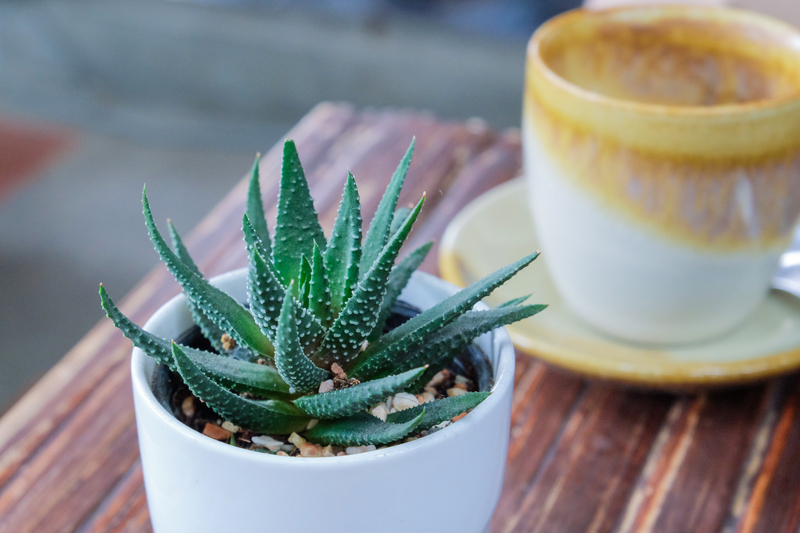
- Ornamental Grasses & Foliage: Hostas, ferns, succulents
Pro Tip: Read plant tags or seed packets for mature size and sunlight requirements. Choose compact or container varieties for ease and best results.
Step 4: Planting Your Containers
- 1. Fill containers with potting mix: Leave about an inch below the rim for watering.
- 2. Arrange your plants: Place "thrillers" (tallest plants) in the center or back, "fillers" (bushy plants) around, and "spillers" (trailing varieties) towards the edges for visual interest.
- 3. Water thoroughly: Moisten the soil to settle roots, but don't flood the pot.
- 4. Top with mulch: A thin layer of fine bark or compost helps retain moisture and suppress weeds.
Step 5: Caring for Your Container Garden
Consistent container garden maintenance ensures robust, healthy plants. Keep these best practices in mind:
- Watering: Plants in pots dry out faster than those in the ground. Check daily, especially in hot weather. Water deeply until it drains out the bottom, but never leave pots standing in water.
- Feeding: Apply liquid fertilizer every 2-4 weeks, unless your potting mix contains slow-release food. Follow package instructions for your chosen plants.
- Sunlight: Most vegetables and flowers require at least 6 hours of sun daily. Move containers as needed throughout the season for the best exposure.
- Pruning & Deadheading: Pinch back spent flowers or older leaves to keep plants tidy and encourage new growth.
- Pest and Disease Checks: Inspect plants routinely for bugs, mildew, or leaf discoloration and treat promptly.
Top Container Gardening Tips for Beginners
- Group Pots for Impact: Cluster containers of different sizes, shapes, and heights for a lush, layered effect. This also creates a microclimate that helps retain humidity.
- Maximize Space: Use shelves, hanging baskets, or vertical planters to grow more in less area.
- Rotate Your Crops: Change plantings each season to avoid soil exhaustion and ward off pests.
- Start Small: It's easy to get excited, but focus on a few low-maintenance plants your first season and expand as you gain confidence.
- Choose Self-Watering Containers: If you travel or have a busy schedule, self-watering pots help avoid under- or over-watering.
- Be Creative: Repurpose old buckets, wheelbarrows, baskets, or even colanders as unique plant pots (as long as you add drainage holes!).
Common Challenges and How to Solve Them
1. Over- or Under-watering
Pot-grown plants need more attentive watering routines. If leaves yellow or wilt:
- Stick your finger or a moisture gauge into the soil--Do not water if it's still moist an inch below the surface.
- Increase drainage--Elevate containers on bricks or "pot feet" to prevent soggy roots.
2. Sunburn or Shade Issues
If leaves brown or scorch:
- Move containers to a spot that offers morning sun and afternoon shade, especially in hot climates.
- Use shade cloth or patio umbrellas for extra protection if needed.
3. Pests and Diseases
- Inspect daily for aphids, spider mites, or fungal spots. Remove affected leaves and treat with insecticidal soap or neem oil as needed.
- Encourage natural predators like ladybugs or use floating row covers to protect young plants.
4. Nutrient Deficiencies
- Fertilize regularly according to plant needs, as nutrients in pots are quickly depleted.
- Add compost or slow-release fertilizer mid-season for heavy feeders like tomatoes or peppers.
Creative Ideas for Small-Space and Urban Container Gardens
Don't let limited space cramp your gardening dreams! Here are some creative and practical ideas for urban container gardening beginners:
- Vertical planters: Use wall-mounted pockets or shelves for herbs and greens.
- Hanging baskets: Perfect for trailing tomatoes, strawberries, or flowers.
- Window boxes: Brighten your windows with fragrant blooms or easy edibles like lettuce and radishes.
- Tiered stands or ladders: Achieve maximum plants in minimum space with a ladder-style plant stand.
- Railings and balconies: Install sturdy railing-mounted planters to maximize sunny outdoor real estate.
Remember: sunlight, water, and soil quality matter more than the exact size of your space!
Frequently Asked Questions About Container Gardening for Beginners
Can I grow food year-round?
Many herbs, greens, and even dwarf fruit varieties can be grown indoors or outdoors throughout the year with the right conditions. Use grow lights when natural sunlight is limited.
How often should I water my container plants?
This varies by season, plant type, and container size. Check daily by feeling the top inch of soil; water when it feels dry, preferably in the morning.
Do I need to repot my plants every year?
Annual vegetables and flowers can be replaced each season. Perennials and shrubs should be repotted or refreshed when they outgrow their containers or if the soil becomes compacted.
What's the easiest vegetable to start with?
Lettuce, radishes, and herbs (like basil or parsley) are simple, fast-growing options for first-time container gardeners.
How do I prevent pests?
Keep your containers clean, inspect plants regularly, and promptly remove damaged leaves. Encourage beneficial insects and use natural controls whenever possible.
Getting Started: Your First Container Garden Checklist
- Assess your space--sunlight, wind, accessibility
- Choose containers--ensure proper drainage and suitable size
- Buy potting mix--never use garden soil in pots
- Select easy plants--herbs, lettuce, marigolds, cherry tomatoes
- Gather tools--watering can, trowel, gloves, fertilizer
- Plant, water, and enjoy!--track your progress and experiment
Conclusion: Start Your Container Garden Adventure Today!
With its flexibility, accessibility, and creative possibilities, container gardening for beginners presents a gateway into the joys of growing your own food, flowers, and greenery--no matter where you live. Following these expert tips and simple steps, you'll soon turn your porch, doorstep, or windowsill into a lush, productive retreat. Don't hesitate--grab a pot, some soil, and your favorite seeds, and start container gardening today!
Have questions or want to share your container gardening journey? Leave a comment below--we love to hear from fellow green thumbs!
Latest Posts
Awakening Nature's Charm: Launching a Garden Makeover
Organic Waste: From Compost to Fertile Fields
9 Ground Cover Plants to Make Your UK Garden Thrive
The beginner's guide to container gardening
Art and Nature Unite: Inspired Hedge Trimming Shapes and Techniques

From a young age, Blair has cultivated a passion for order, which has now matured into a prosperous profession as a waste removal specialist. She derives satisfaction from transforming disorderly spaces into practical ones, aiding clients in conquering the burden of clutter.