020 3744 3778
Garden Guardians: Dogs as Partners in Green
Posted on 29/08/2025
Garden Guardians: Dogs as Partners in Green
Our backyards, gardens, and green spaces are sanctuaries of peace, beauty, and life. While we often rely on the diligent work of gardeners and nature itself, there's another companion ready to help -- our loyal canine friends. This comprehensive guide dives deep into the topic of garden guardians and explores the dynamic relationship between dogs as partners in green environments. Let's discover how these four-legged allies can transform and protect your garden, making them true custodians of your outdoor paradise.
Why Dogs Make Excellent Garden Guardians
Dogs have shared a close relationship with humans for thousands of years, assisting in hunting, farming, and protection. In modern gardens, their roles have evolved but remain as crucial as ever. Here's why dogs are ideal partners in green spaces:
- Naturally protective: Dogs are territorial and instinctively ward off intruders, both animal and human.
- Wildlife deterrents: Their scent and presence can keep away unwanted wildlife like deer, rabbits, and squirrels.
- Companionship: Gardening with a dog is not only more enjoyable but supports physical and mental well-being.
- Active participation: With training, dogs can assist in simple gardening tasks, such as retrieving tools or carrying supplies.
- Promotes outdoor activity: Both humans and dogs benefit from spending more time outside, enjoying fresh air and exercise.
Your dog can be more than a pet; it can be your trusty garden helper, companion, and protector.
The Protective Power of Garden Dogs
How Dogs Deter Unwanted Visitors in Your Garden
One of the primary roles of garden dogs is safeguarding your green space from invaders. Whether it's preventing neighborhood cats from digging up your flower beds or keeping rabbits from nibbling on your lettuce, a dog's mere presence creates an effective deterrent.
- Predator vs. Pest: Dogs have an innate urge to chase away potential threats. Their bark, scent markers, and patrol routines discourage pests and small wildlife.
- Security for Produce Gardens: If you grow fruits and vegetables, animals like raccoons, groundhogs, or even birds may become an issue. A dog as a garden partner can reduce crop losses.
- Human trespassers: Not only do dogs protect plants, but they also alert you to strangers, helping keep your property safe.
Establishing Boundaries: Training Tips for Garden-Friendly Dogs
Not all dogs are born ready-made garden guardians. Some training will help them distinguish between "their area" and "your area" -- the spaces they can roam freely and places they must avoid (like delicate flower beds).
- Teach 'Leave It' and 'No-Dig' Commands: Positive reinforcement goes a long way. Reward your pet for staying away from newly planted beds or delicate seedlings.
- Set Clear Borders: Use low fencing, mulch, or visible markers to show your dog off-limit areas.
- Create a Designated Dog Zone: Provide a space for your dog to dig or play, redirecting energy away from your prized plants.
- Supervised Exploration: Walk with your pet through the garden, gently correcting their behavior as needed.
With consistency and patience, your dog can learn to be the perfect partner in your green paradise.
Choosing the Best Breeds for Garden Guardians
While all dogs can contribute positively to an outdoor space, some breeds are naturally more attuned to life in the garden. Here are a few types renowned for their suitability as garden partners:
Herding Dogs
Border Collies, Australian Shepherds, and Shetland Sheepdogs have the energy and intelligence to patrol and protect large gardens. Their instincts make them attentive and responsive, ideal for active gardeners.
Terriers
Jack Russells, Cairn Terriers, and Schnauzers are vigilant and often eager to chase off rodents or burrowing pests. Caution is advised, as they may also dig; a dedicated digging zone is recommended.
Labradors and Retrievers
Labs and Golden Retrievers are patient, gentle, and easily trainable. They're less likely to harm plants and make wonderful companions for families with children.
Guard and Watchdogs
German Shepherds, Belgian Malinois, and Dobermans are natural protectors, providing excellent security for both your family and your garden.
Remember, it's personality, temperament, and training that matter more than breed alone when it comes to the best partners in green spaces.
Gardening for Dogs: Creating a Pet-Friendly Outdoor Space
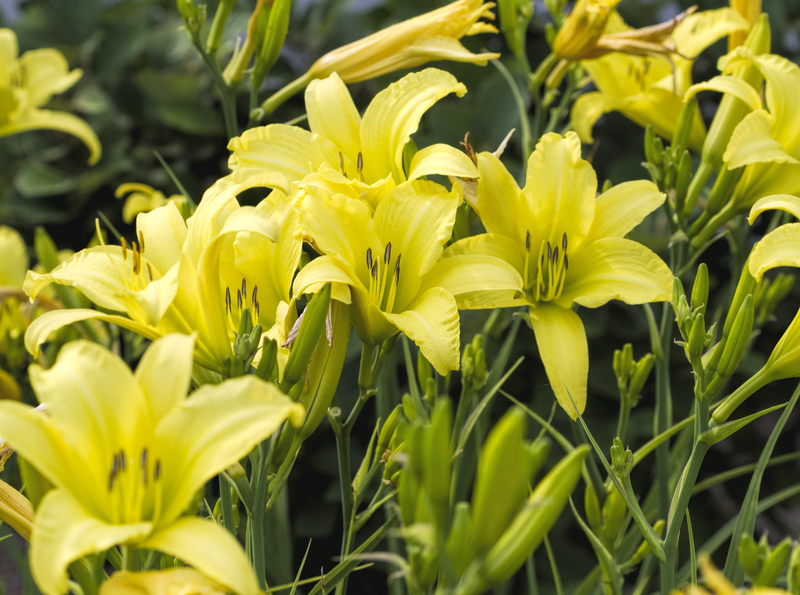
To ensure a harmonious relationship between your dog and your garden, the design of your space plays a crucial role. Here's how to make your garden dog-friendly while maximizing its benefits for your plants and your canine companion:
Select Dog-Safe Plants
- Choose non-toxic plants such as sunflowers, snapdragons, camellias, and roses.
- Avoid potentially toxic plants like azaleas, daffodils, oleander, foxglove, and lilies.
- Use robust, hardy plants that can withstand an occasional romp or accidental trampling.
Create Paths and Play Zones
- Incorporate clear, winding paths using mulch, gravel, or flagstones.
- Designate a digging area or sandbox for enthusiastic diggers.
- Set up cooling-off stations, with shady trees or a shallow water feature.
Shade and Shelter
- Install dog houses, pergolas, or dense shrubs for resting spots.
- Ensure access to fresh water at all times, especially on hot days.
Safety First
- Avoid chemical pesticides -- opt for natural pest control.
- Mulch with caution: cocoa mulch is toxic to dogs. Stick to pine, cedar, or bark chips.
- Fence your garden securely to keep your pet (and pests) safely contained.
Designing with your dog in mind ensures a thriving garden and a happy, healthy companion. That's the true spirit of garden guardianship!
The Environmental Impact: Dogs Supporting Garden Eco-Health
Having dogs as partners in green environments extends beyond companionship and protection. They contribute positively to the overall health and balance of your garden ecosystem:
- Natural Fertilizers: Dog waste, when properly composted, can be used as garden fertilizer (never on edible plants, only ornamentals, and only if composted to kill pathogens).
- Pest Control: By chasing rodents and disturbing pest habitats, dogs reduce the need for harmful chemical treatments.
- Soil Aeration: Moderate digging in approved areas can help aerate soil and mix compost.
- Biodiversity: Dogs encourage owners to spend more time outside, observing and appreciating the rich diversity of plant and animal life.
With responsible pet ownership, dogs become stewards of green spaces, fostering healthier and more vibrant gardens for all.
The Joys and Challenges of Gardening with Dogs
Although gardening with dogs is rewarding, it's not without challenges. Here's how to balance the joys with solutions for common problems:
Common Challenges
- Digging and Damage: Dogs may disturb delicate plants or dig holes. Solution: Train your dog and provide a designated digging spot.
- Plant Chewing: Some dogs nibble on plants. Solution: Remove toxic plants, train "leave it", and provide safe alternatives like chew toys.
- Path Trampling: Large breeds can flatten smaller plants. Solution: Create sturdy paths and plant robust species at garden edges.
- Paw Prints: Muddy paws can track dirt indoors. Solution: Install paw cleaning stations near garden exits.
The Rewards
- Constant companionship: Gardening with your dog builds a special bond.
- Fitness: Both you and your pet benefit from increased physical activity.
- Mental well-being: The peace of your garden, combined with the joy of your pet, creates a stress-relieving environment.
- Wildlife protection: Plants thrive with fewer pests and intruders.
The key: clear communication, positive reinforcement, and thoughtful garden design make dogs exceptional guardians of the green.
Dogs, Gardens, and Community: Spreading the Green Spirit
Dogs' unique ability to unite communities extends beyond home gardens. Many community gardens and urban green projects now consider canine companions as vital contributors to friendly, safe, and thriving spaces.
Dogs in Community Gardens
- Encourage owner accountability and stewardship.
- Help deter theft, vandalism, and unwanted wildlife.
- Foster a sense of shared responsibility and camaraderie among gardeners and dog owners.
- Provide opportunities for pet socialization, training, and exercise.
In many neighborhoods, the presence of garden guardian dogs is recognized as a symbol of a safe and welcoming green community.
Conclusion: Unleashing the Full Potential of Garden Guardians
Garden guardians are more than just pets -- they are our partners in cultivating healthy, vibrant, and enjoyable outdoor spaces. By harnessing the unique qualities of dogs as partners in green, we not only protect our gardens but also enrich our own lives and our environment.
- With thoughtful design, training, and care, gardens and dogs can thrive side by side.
- From warding off pests to boosting our mood, canine companions are a gardener's best friend.
- Let your dog be your partner in green and unleash the true potential of your outdoor sanctuary.
Start your journey today: embrace your dog as a garden guardian and experience the joy, protection, and prosperity that only a faithful partner in green can bring to your garden!
Latest Posts
Awakening Nature's Charm: Launching a Garden Makeover
Organic Waste: From Compost to Fertile Fields
9 Ground Cover Plants to Make Your UK Garden Thrive
The beginner's guide to container gardening
Art and Nature Unite: Inspired Hedge Trimming Shapes and Techniques

From a young age, Blair has cultivated a passion for order, which has now matured into a prosperous profession as a waste removal specialist. She derives satisfaction from transforming disorderly spaces into practical ones, aiding clients in conquering the burden of clutter.